Transfusion Medicine Made Simple: Essential Guide for Clinicians
Introduction Blood can be transfused either as whole blood or as individual blood components. Blood is made of plasma, RBCs, WBCs, and platelets. Plasma makes up about 55% of whole
Introduction Blood can be transfused either as whole blood or as individual blood components. Blood is made of plasma, RBCs, WBCs, and platelets. Plasma makes up about 55% of whole

Types of drug reactions Drug reactions, including antibiotics, are divided into 4 categories: Non-allergic reactions: these are side effects rather than allergic reactions, symptoms like diarrhea, vomiting, feeling sick to

Eight EKG patterns we can’t afford to miss! These patterns, in the right clinical context, are suggestive of acute coronary occlusion and require immediate reperfusion therapy without any delay!
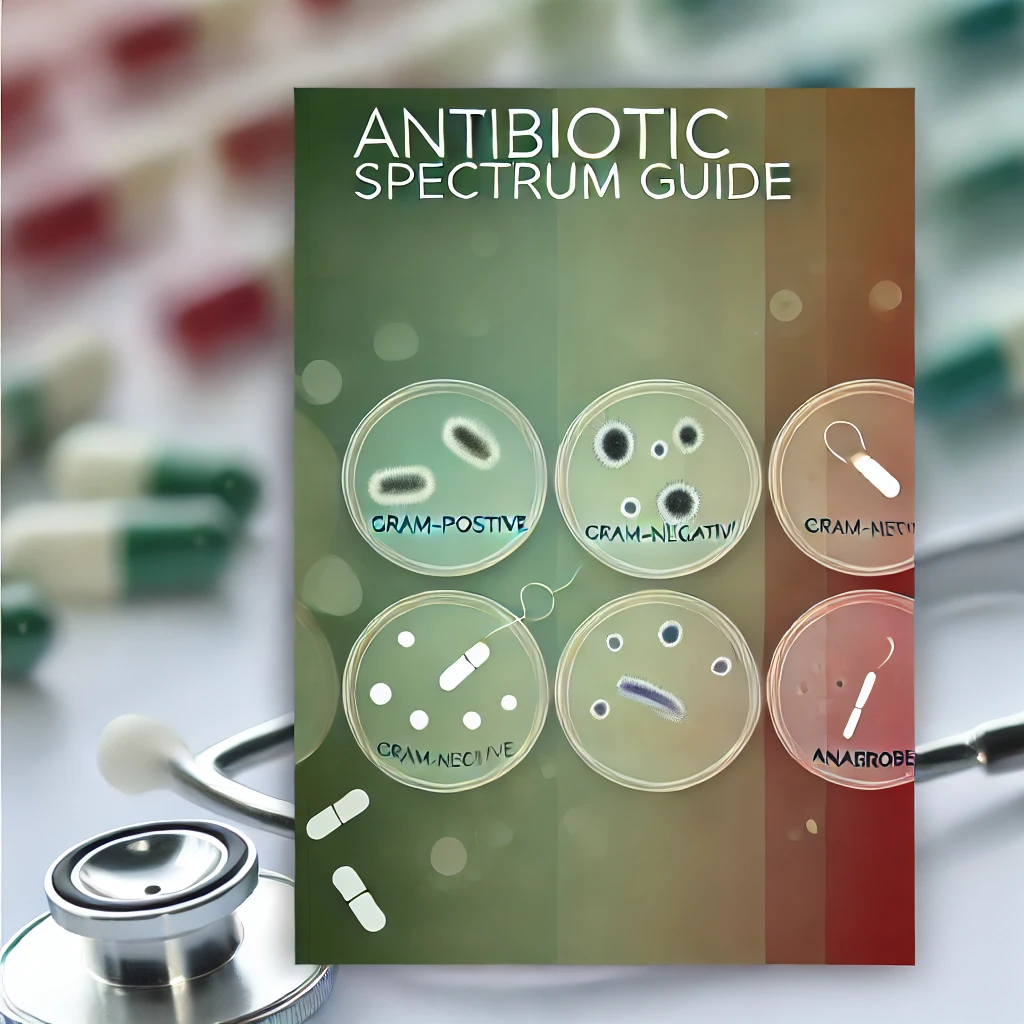
Discover a comprehensive guide to antibiotic spectrum of activity, covering gram-positive, gram-negative, and anaerobic bacteria. Learn about the specific antibiotics for MRSA, MSSA, Pseudomonas, ESBL, and more. Optimize your clinical practice with insights on antibiotic classification and usage.
Here is a summary of my last video posted on my YouTube channel about using opioids in inpatient settings. Enjoy the read and keep the great work of saving human lives!

Master acute hyperkalemia treatment

We must familiarize ourselves with EKG changes related to hyperkalemia

“Hypokalemia treatment consists of two arms: Treatment of the underlying cause and Potassium replacement therapy, this summary will discuss how to properly and effectively replete potassium deficits
The pathophysiology, diagnosis, and workup of hyponatremia.